

Overview
In brief:
- Identity fraud protection services focus on safeguarding a business’ identity and reputation against malicious actors
- Typically, these tools use business verification capabilities, identity monitoring, TIN matching, and loan origination assessment
- These solutions keep businesses from onboarding criminals, act on real-time threats, and streamline efforts to boost efficiency
When you’re onboarding business clients, there’s a lot at stake — including the safety, security, and reputation of both the business and its customers. Having robust, reliable identity fraud protection systems in place is crucial to ensure malicious actors aren’t onboarded.
To start, we’ll look at what an ID fraud protection system is and how they help teams.
What is an identity fraud protection service & what do they do?
An identity fraud protection service keeps companies safe from business identity theft, account takeover, and other identity-related fraud. These tools help protect against fraud through effective business onboarding, ID verification, and Know Your Business (KYB) compliance to ensure security and mitigate fraud losses.
What are the most helpful identity fraud protection tools?
Modern fraudsters are savvy, adept, and well-equipped. They know how to get what they want, and they know how to exploit technology to make it happen. To protect against these bad actors, you need a fraud prevention and protection strategy that leverages an equally adept set of tools.
The following are common identity fraud protection tools companies use:
- Fraud detection: Monitor for key risk signals based on common fraud trends and patterns, so you can root it out and offboard bad actors.
- Identity verification: Effective B2B relationships rely on trust. Identity verification provides this base by letting you check that a business is who they claim to be.
- Onboarding risk decisioning: Get the risk signals you need to make immediate business onboarding decisions.
- Transaction monitoring: Don’t just retroactively handle fraud once it’s happened; use transaction monitoring that lets you identify fraud as it’s happening so you can stop it in its tracks.
- Anti-Money Laundering (AML): Meet necessary AML compliance requirements, keeping you safe from money laundering threats and other financial crimes.
- Behavior monitoring: Don’t just monitor businesses one transaction at a time. Analyze a variety of other signals that let you identify threats based on suspicious activity.
- Predictive analytics: Stay one step ahead of fraudsters with predictive analytics. Anticipate when criminals are likely to strike, preventing fraud in the first place.
- Adverse media screening: Monitor business’ online presence, screening news, social media, and other online sources to detect risk signals that may not be found elsewhere.
What are the differences between identity theft protection and fraud detection?
Fraud detection is inherently reactive, and is about identifying instances of fraud that have occurred and then following up. Identity fraud protection, on the other hand, allows you to proactively prevent fraud by restricting bad actors from being onboarded in the first place.
In the B2B context, identity theft protection is inherently focused on safeguarding business identities so they can’t be exploited through identity-related fraud, including protecting a company’s reputation, credit, and credentials from being used to open fraudulent accounts. In contrast, fraud detection seeks to isolate instances of fraud that are occurring on your platform.
Find out how to combat synthetic identity fraud in business onboarding.
5 features to look for in an identity fraud protection software
Identity fraud protection software helps businesses prevent ID theft and other identity-related crimes. Below, we look at some of the core features that enable businesses to do this for their business clients.
1. Business Verification
Verify business identities during onboarding and throughout their lifecycle so you can meet necessary Know Your Business (KYB) requirements, and know exactly who you’re doing business with. Satisfy CIP, CDD, and EDD requirements so you always know the businesses you work with are who they claim to be.
A business identity fraud protection tool should be able to actually verify business identities by checking information submitted by your customers directly against authoritative data sources like the SOS business registry database for each state. These checks help you ensure the business you’re trying to onboard actually is who they say they are, and keeps fraud off your platform.
Did you know? Middesk Verify lets you validate more businesses faster by getting the risk signals that matter. With more risk signals at your disposal, you can increase auto-approvals, reduce friction, and focus your efforts on high-risk entities instead. With 100% coverage for registered U.S. businesses, you’re always getting up-to-date business data, so you can onboard businesses with confidence.
2. TIN Match
Save yourself valuable time and resources conducting robust due diligence during onboarding for businesses that’ll never make the cut. A TIN match validates a business’ Tax Identification Number (TIN) matches the business details you’ve provided.
Since most U.S. businesses are required to have a TIN, this makes for a simple — but rather effective — check on whether a business exists and is legitimate. While it can’t authenticate the business you’re onboarding is who they say they are, it’s a quick check to verify if the business even exists at all. And if they don’t, you can quickly kick them out of your flow or escalate them to enhanced due diligence.
Middesk TIN Match for example quickly validates whether the TIN you have on record matches the business that’s attempting to onboard, making for a great early indicator that can save you valuable time and resources.
3. Identity Monitoring
After verifying identities upfront, you also want to screen the businesses you work with for any changes to their status so you know immediately if their risk profile changes.
This is called ongoing monitoring or ongoing compliance, and allows you to adjust on the fly based on changing circumstances. Identify missing or inconsistent credentials, helping you root out malicious actors and determine business legitimacy.
4. Risk Assessment
You want to enable a way to streamline your loan origination process, and filter out high-risk entities right at the top of your funnel. This helps you save significantly on costs associated with rigorous due diligence that won’t change your end decision.
Some tools like Middesk Assess can give you UCC lien filing details and bankruptcy history so you can accurately assess the creditworthiness of a business.
Tools like Middesk Signal help teams accelerate decision-making, reduce costs by filtering out unqualified leads early, and mitigate risk by funneling customers to unique onboarding journeys based on their risk factors.
5. Adverse Media Screening
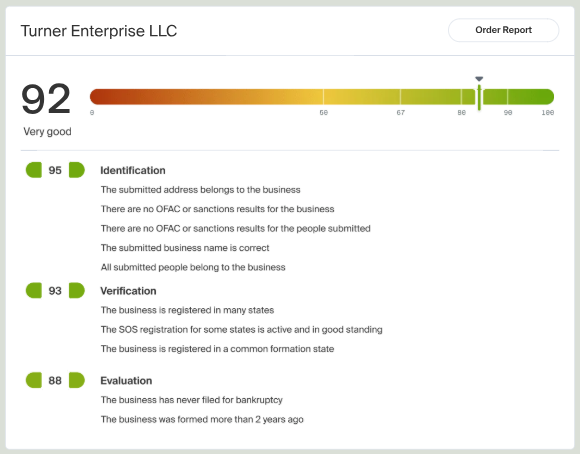
Don’t just look for standard government documentation like business registration and tax filings. Look beyond that to get abstract insights that allow you to foresee upcoming risk. Tools like Middesk’s Adverse Media Screening check news sources, social media presence, and other online sources to help you paint a full picture of a business’ activity.
Armed with this information, you can craft a deeper, more accurate risk profile, one that lets you onboard businesses with absolute confidence, and stay on top of changes.
Top 4 best identity fraud protection services for businesses
Locking fraudsters out isn’t easy, and requires a suite of preventative tools that help you keep your business safe. Below, we look at the four best identity fraud protection services for KYB.
1. Middesk
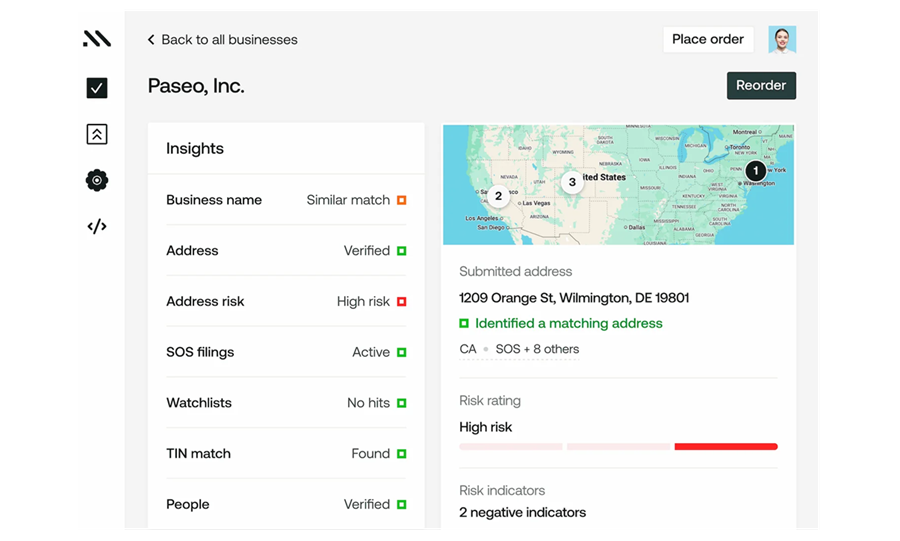 Middesk is a best-in-class identity verification solution for KYB data, providing 100% coverage on registered U.S. businesses. Whether you’re a fintech looking to access creditworthiness before extending capital or you’re looking to verify businesses before onboarding them to your marketplace or financial platform, Middesk helps you authenticate businesses so you know who you’re dealing with.
Best identity fraud protection features: Middesk Verify lets you onboard businesses with confidence by verifying submitted information directly against the SOS business registry state databases, while Middesk Signal screens businesses for additional risk signals that help you determine their legitimacy and assess the risk of conducting business with them.
2. Alloy
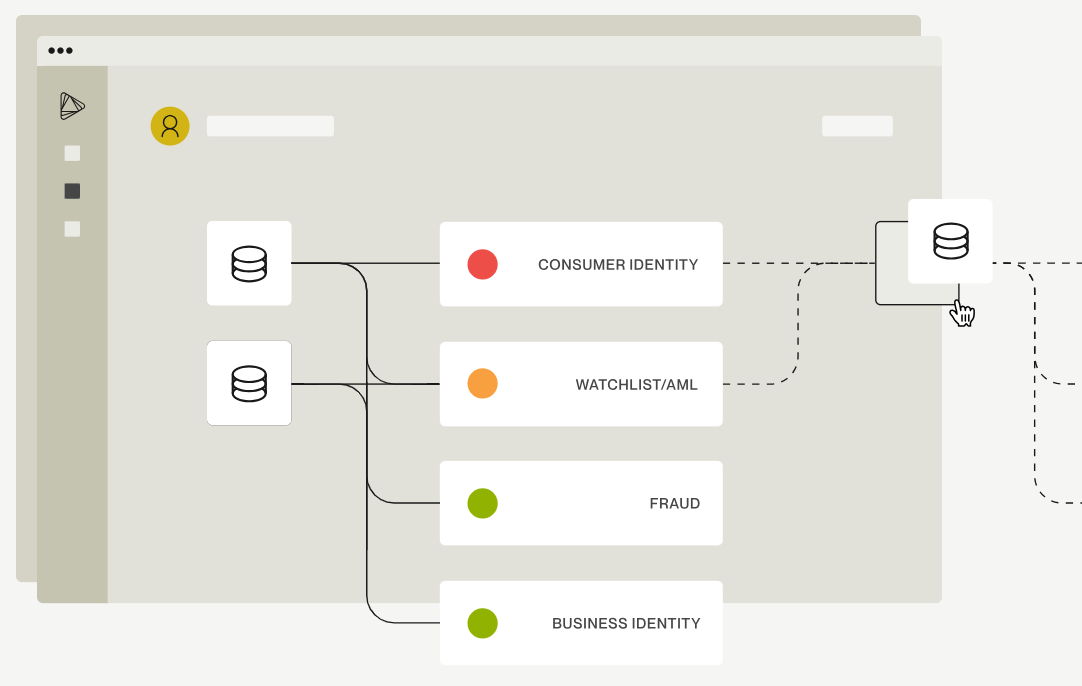 Alloy is an identity risk solution for banks, credit unions, and Fintechs. They help financial institutions conduct business onboarding and ongoing monitoring, so they can facilitate business transactions with confidence.
Best identity fraud protection features: Alloy’s global ID verification solution helps teams manage risk, even when handling businesses in different countries, regions, and jurisdictions (with unique laws and regulations). Alloy not only helps businesses navigate this web of compliance, but streamlines the process.
3. Socure
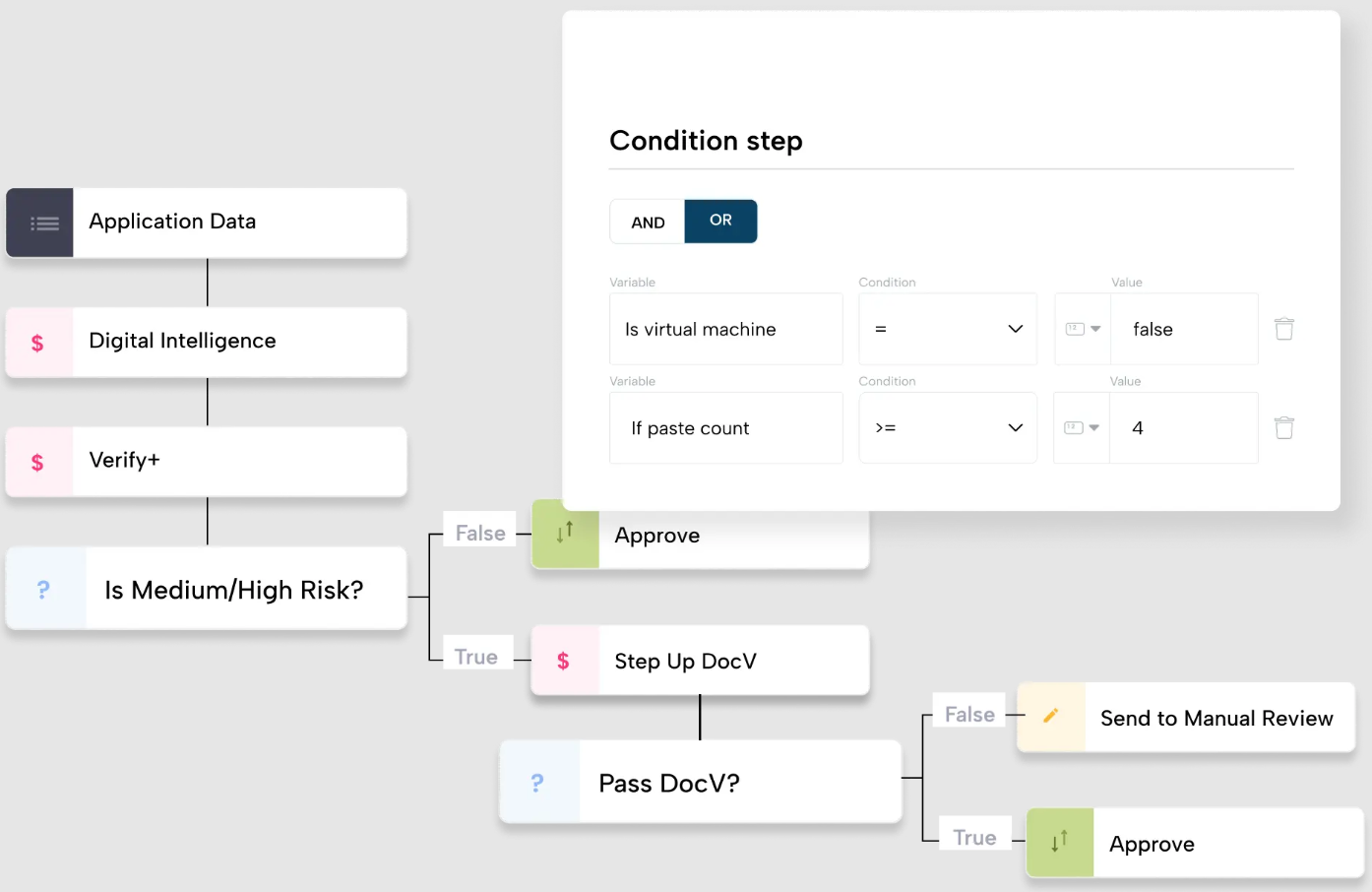 Socure is a leading ID verification and fraud prevention solution, specializing in KYC onboarding and CIP procedures. Through Middesk’s partnership with Socure, we’re able to seamlessly integrate both KYB and KYC processes necessary for B2B identity verification.
Best identity fraud protection features: Socure’s RiskOS AI Suite integrates digital assistants and agents into your workflows. Assistants guide users to make faster, more informed decisions, while agents execute routine tasks on your team’s behalf, eliminating routine manual work that boosts efficiency.
4. Persona
 Persona is a fraud prevention software that helps businesses monitor for, detect, and deny fraud. Dynamically adjust flows for your team's needs and the unique threats your business is facing, helping you manage and mitigate risk effectively.
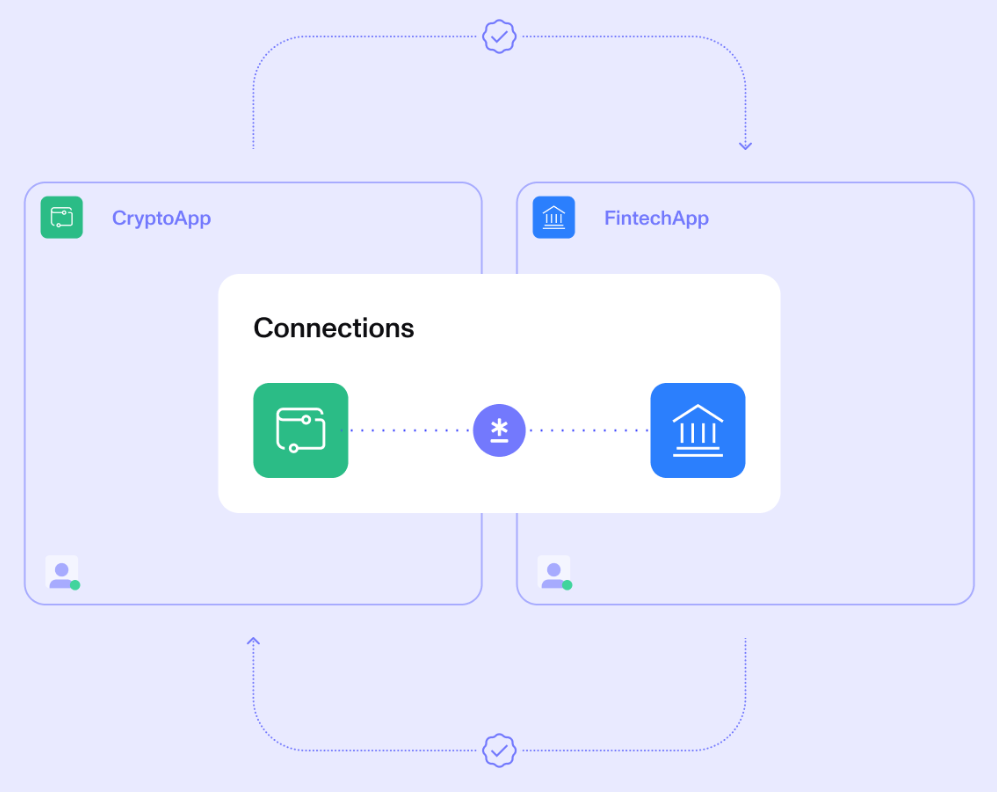
Best identity fraud protection features: Persona Connect product empowers businesses to share and reuse verified KYC and KYB results to help speed up ID verification processing, keeping the ecosystem safer and more secure.
Top benefits of using an identity fraud protection service
Obviously, an identity fraud protection service is intended to keep your platform safe from fraud. In reality, there are a number of core benefits you’ll see from employing an ID fraud protection tool.
1. Keep bad actors out of your ecosystem
One of the best ways to stop malicious activity from happening is keeping those aiming to perpetrate it from ever entering your ecosystem. With robust onboarding capabilities, we help you meet all KYB compliance requirements with ease so you can trust that the companies you do business with are legitimate and trustworthy.
2. Act on real-time alerts and updates
Real-time alerts on a company’s status on watchlists and SOS registries can mean the difference between preventing and reacting to fraud. Instantly knowing whether a business has been added to the watchlist can allow you to immediately cut ties, preventing fraud before it occurs.
Transaction and behavior monitoring capabilities are ideally suited for this as well. When paired with real-time notifications, businesses can alert on suspicious activity, rooting out fraud before it gets out of hand.
3. Anticipate where fraud will occur
Predictive analytics enables companies to anticipate malicious behavior before it occurs. This allows you to set up protective measures that keep your team one step ahead of threats so you can prevent it — rather than react to it.
4. Streamline your efforts
It takes a lot of effort to conduct rigorous due diligence on every single business you onboard, costing your team an immense amount of time and resources.
With a high-quality ID fraud protection service that offers TIN Matching, you get early risk indicators of potentially risky entities. With this information, you can escalate these entities immediately to further screening, filtering out lower risk entities so they can be onboarded expediently.
5. Easily resolve and manage disputes
Handling fraud isn’t just about stopping it — it’s also about resolving disputes after the fact. These solutions often help teams manage chargeback disputes so they can get restitution for the fraud they’ve fallen victim to.
The best way to protect against financial crimes and reduce fraud losses is to prevent it before it occurs by stopping bad actors from ever onboarding in the first place. Middesk checks SOS office registration data to verify registered businesses in any state across the United States.
Get early risk signals that help you funnel businesses into the onboarding process that fits their true risk level. Access business registration documents that let you verify a business during onboarding, meeting all necessary KYB requirements.
To see how Middesk could work as your business identity fraud protection service, set up a demo with one of our experts. If you can’t wait, check out our on-demand product demo of how Middesk Verify works right here and now: