Overview
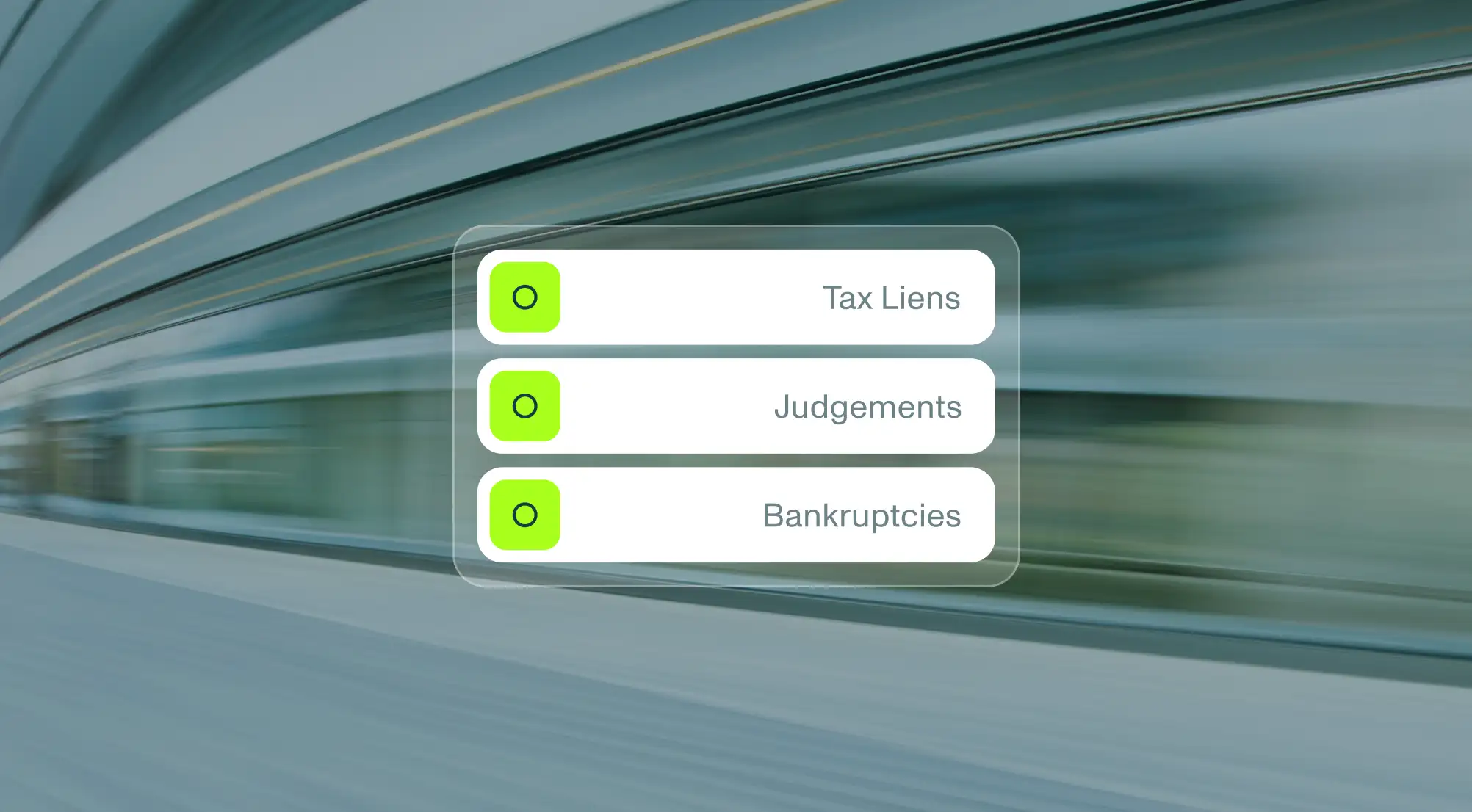
Commercial lenders check a business for tax liens, civil judgments, and bankruptcy filings by searching local county recording offices, state civil court dockets, and federal bankruptcy court registries. These searches reveal legal claims and court orders that affect a borrower’s financial health and repayment priority.
Lenders conduct public record searches because undisclosed legal encumbrances threaten loan repayment and collateral recovery. If a borrower defaults, recorded tax liens and court judgments establish statutory senior claims on business assets, while bankruptcy filings halt private collection actions under an automatic stay.
In brief
- Lenders search county recording offices, state trial courts, and federal court databases for legal liabilities.
- Perfected tax liens and recorded judgment liens establish claims that can take payment priority over subsequent loans.
- Federal bankruptcy filings trigger an automatic court stay that immediately halts private debt collection.
- Automated public-record searches check filings across local jurisdictions to ensure clean lien priority.
Where and how to search public records across fragmented registries
Thorough public record searches require checking multiple government levels because public records are maintained across thousands of local jurisdictions:
Federal and state tax liens: Federal tax liens are filed in local recording offices designated by state law, typically the county recorder where the business maintains its principal office or holds real property. State tax agencies file warrants with county clerks or centralized state registries.
Civil judgment records: State and municipal trial court dockets record money judgments. Lenders search court records in counties where the business operates, holds property, or maintains corporate headquarters.
Federal bankruptcy courts (PACER): Federal bankruptcy courts maintain exclusive jurisdiction over business bankruptcy cases. Lenders search federal court records via the PACER Case Locator, covering all 90 U.S. Bankruptcy Courts and 94 federal judicial districts to check for active or historical corporate filings.
Operational traps in diligence and where Middesk fits in
Manual public record searches create significant operational delays. Local recording offices index filings by name rather than tax ID, meaning slight spelling variations or missing punctuation can hide active liens from underwriters.
County filing offices also experience indexing backlogs of days or weeks. A certified search only reflects records processed through the office's effective coverage date, not filings submitted that afternoon.
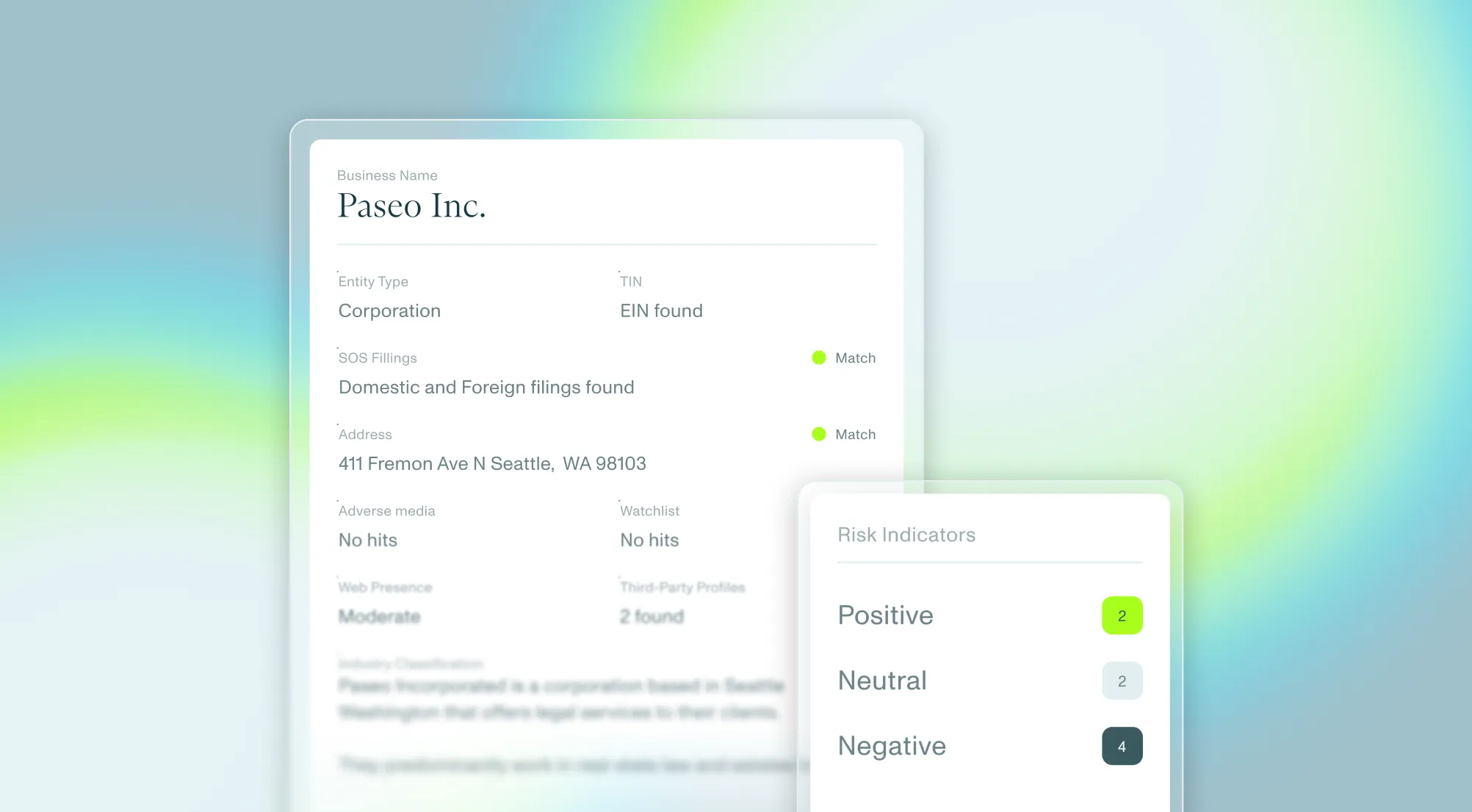
Middesk's underwriting intelligence automates public-record diligence by surfacing tax liens, civil litigation records, and bankruptcy filings through a single API. Lenders evaluate public-record encumbrances alongside business identity and UCC data, verifying clean lien priority before releasing funds.
Frequently asked questions
Does a federal tax lien automatically take priority over a commercial bank loan?
Priority generally follows the principle of first in time, first in right. If the IRS files a Notice of Federal Tax Lien before a lender perfects its security interest, the tax lien takes priority on the borrower's assets. A private lender takes priority if it perfected its interest before the IRS filed notice.
How do lenders check for bankruptcies nationwide?
Lenders check for business bankruptcies by searching the federal court system's PACER database, which covers all 94 federal bankruptcy districts. Automated platforms search these records programmatically, returning petition dates, case chapters, and current case status.
What is the difference between a tax lien and a tax warrant?
A tax lien is an underlying legal claim against a taxpayer's property for unpaid taxes. A tax warrant is an official enforcement document issued by a state taxing authority that operates like a court judgment, allowing state officers to levy bank accounts and seize business property.

New to Middesk?
Talk to our team to see what business identity intelligence looks like inside your workflow.
Get a demo