Overview
Overview
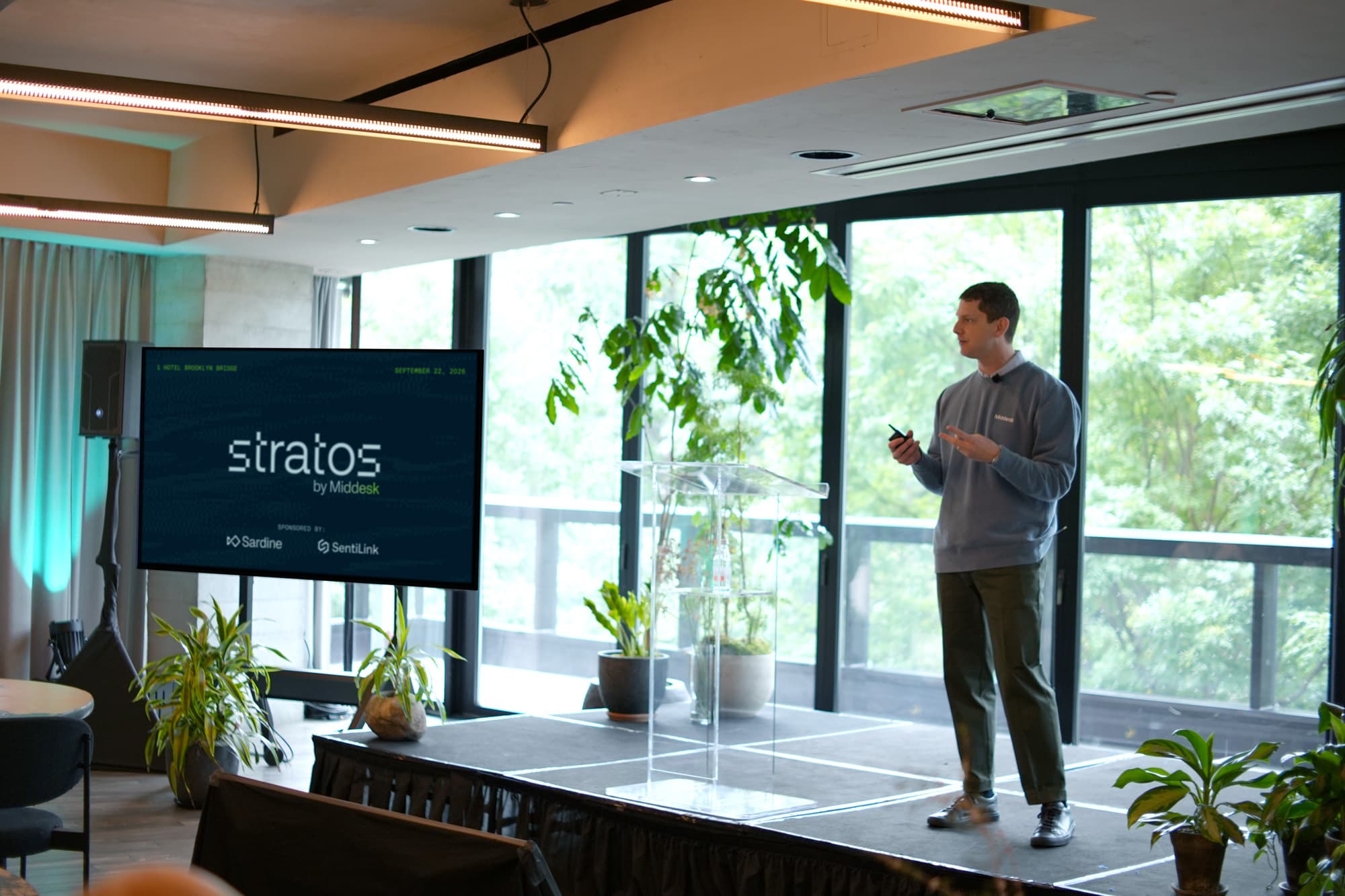
Stratos brought industry leaders together in Brooklyn in September to explore how business identity, fraud, and AI are rapidly evolving. The challenge today is to recognize legitimate companies as basic business operations continue to change, while at the same time the evidence to evaluate them becomes easier to manufacture. Better verification depends on a deep understanding of each business, the ability to investigate inconsistencies, and keeping a clear record for each decision.
In brief:
- Businesses no longer follow the same pattern in terms of how they are established, how they operate or how they make money.
- The attributes that indicate legitimacy are different from what they were a year ago and business verification has to be able to differentiate risks from the unconventional.
- Automated research is turning compliance from a linear checklist to an investigative review. Institutions remain responsible for defining policies and explaining their decisions.
Legitimate businesses don’t all look alike
An online merchant can operate without a storefront. A content creator is able to generate revenue across digital platforms without employees or commercial space. A holding company formed to hold a single property doesn’t need a website or active social presence. Those missing details aren’t warning signs anymore and treating them like that can block legitimate applicants whose day-to-day operations simply look different.
Each attribute can mean different things: an active employment lawsuit is largely irrelevant when opening a standard commercial checking account, it could be material when underwriting a line of credit, and it’s critical when issuing liability insurance. The same public record carries completely different weight depending on the product exposure.
The context and history behind each business and related person can explain how the company operates and what risks it can carry. It’s now necessary to look for shared owners, corporate officers, physical operating addresses, and active financing records such as loans and liens. Ongoing evaluations are also needed because all these elements can change with time.
Cloning is easy, appearances need supporting evidence
AI tools and commercial marketplaces make it easy to assemble the appearance of an established firm. Bad actors register lookalike domains to mirror inactive corporate filings, purchase aged shelf companies to inherit clean formation dates, or file unauthorized amendments at state filing offices to take over an existing entity's public record.
Effective verification requires testing whether independent sources corroborate an applicant’s claims. Teams must evaluate whether public filings, executive identities, commercial relationships, and operating activity form a coherent pattern.
AI can compare business records, look for fraud patterns, and summarize what it finds for an investigator. This reduces the time analysts spend searching for information and gives them more time to examine suspicious activity, including connections between cases that might otherwise be reviewed separately.
AI can speed up investigations, but teams need to be able to review its work
AI can gather evidence without deciding whether to approve a customer. Financial institutions still set the rules for what information is enough to approve an application and when a person needs to investigate further.
With AI doing more of the research, compliance teams can handle more work without having to add staff. Analysts spend less time collecting records and more time checking the findings, training their AI tools, and investigating complex cases that need a deeper look.
Whether they build these tools themselves or buy them, institutions still have to explain their decisions to bank partners and regulators. Checking a sample of automated reviews and keeping a record of the evidence and rules used in each decision help teams catch mistakes while approving legitimate customers faster.

New to Middesk?
Talk to our team to see what business identity intelligence looks like inside your workflow.
Get a demo